Foundation Repair In Raleigh, NC
Foundation repair in Raleigh, NC addresses problems such as foundation settlement, wall cracks, uneven floors, and structural movement. Atlantic Foundation & Crawl Space Repair evaluates the conditions affecting your home and recommends repair options based on the type and extent of the damage, including stabilization methods using Stabilizor® technology where appropriate.
Common Signs Your Home Needs Foundation Repair
Recognizing early foundation problems is crucial to preventing expensive repairs. Here are the most common warning signs of foundation damage:
Cracks in Masonry
Vertical, horizontal, or stair-step cracks indicate foundation movement.
Leaning or Tilting Chimney
A chimney pulling away from your house can indicate an unstable foundation.
Gaps Around Window and Door Frames
As the foundation shifts, gaps appear around doors and windows.
Sinking or Settling Foundation
Uneven soil conditions can cause your foundation to sink over time.
Misaligned Doors & Windows
If your doors or windows stick or won’t close properly, your foundation may be shifting.
Uneven or Sloping Floors
A foundation that has begun to settle can cause noticeable floor irregularities that may also require structural floor repair.
Cracks in Interior Walls & Drywall
Small cracks can grow larger over time due to shifting foundations.
Bowing Basement or Crawl Space Walls
Soil pressure against your foundation can push walls inward, requiring urgent attention.
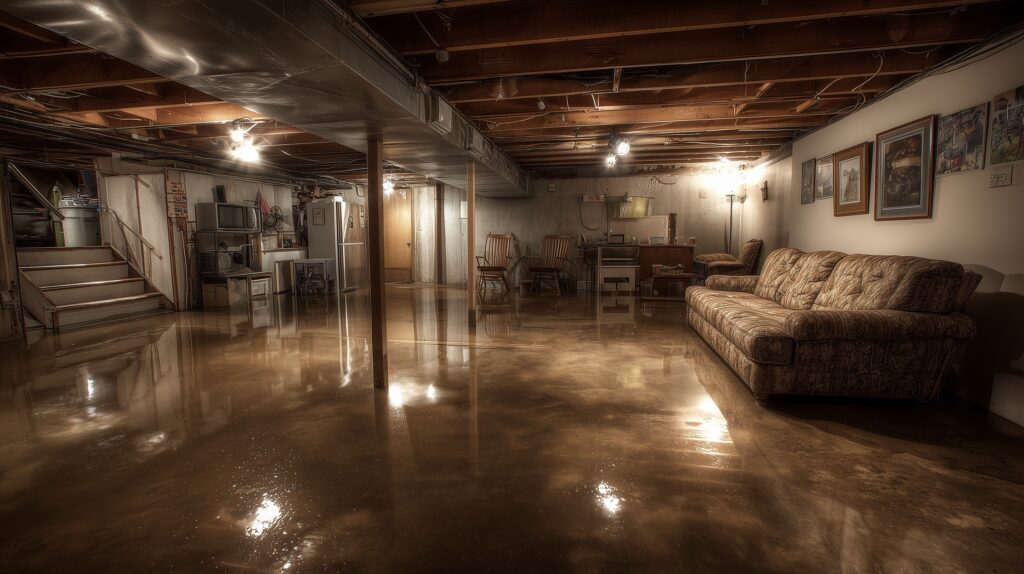
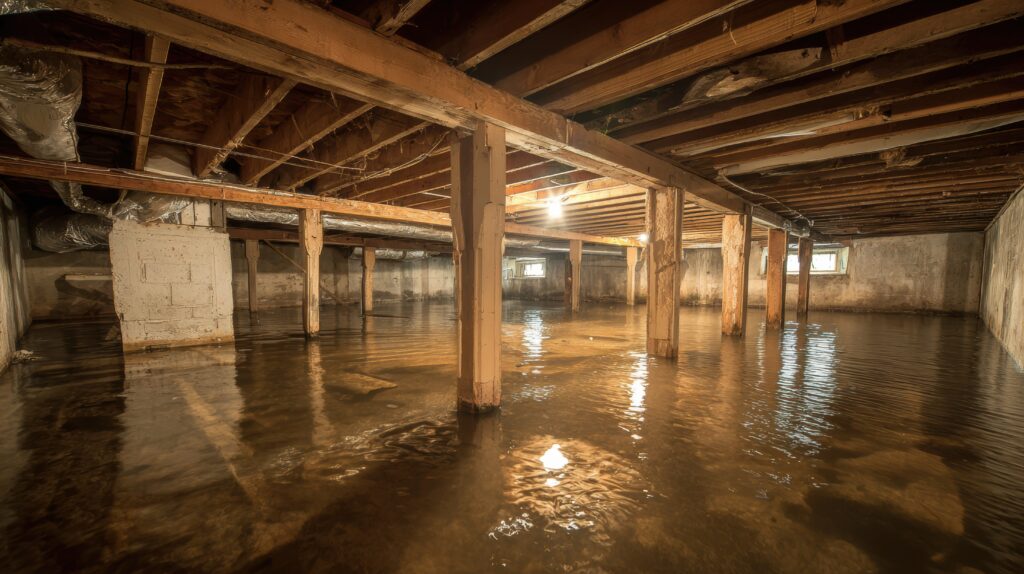
Water Damage in Crawl Space or Basement
Pooling water can lead to foundation erosion, mold growth, and weakened structures.
Request an Evaluation
Tell us what you are seeing—such as cracks, uneven floors, sticking doors, chimney movement, or settlement—so the team can review the next steps for your property.
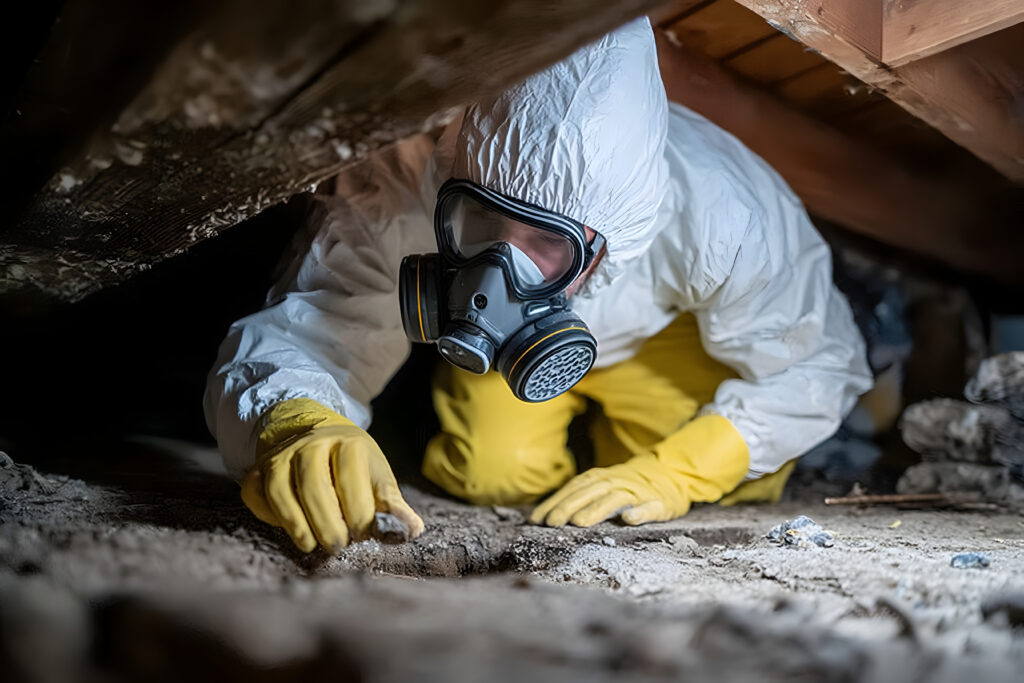
Are you buying or selling a home? Do you have humidity or foundation concerns?
Atlantic Foundation & Crawlspace Repair provides comprehensive crawlspace and foundation inspections. A $400 retainer is required for the estimate, which is fully deducted from your final invoice once the proposal is accepted.
Foundation repair should be based on the cause and pattern of movement—not only the visible crack. Call 919-855-0855 or use the Quote Request Form to request an evaluation.
How We Diagnose Foundation Movement
Foundation problems can look similar even when the causes are different. The evaluation considers the crack pattern, direction of movement, floor and door changes, soil and moisture conditions, and whether related masonry, chimney, basement, or crawl space movement is present.
Related foundation guides: foundation warning signs, soil expansion and foundation settlement, foundation repair cost factors, foundation inspection guidance, and helical pier stabilization.

Crack Pattern & Location
Vertical, horizontal, and stair-step cracks can indicate different stresses. Their location and whether they are changing over time help guide the evaluation.

Direction & Amount of Movement
Settlement, rotation, or localized movement can require different repair approaches. The amount and direction of movement matter.

Soil & Moisture Conditions
Expansive soil, poor drainage, and changing moisture levels can influence foundation movement and may need to be addressed alongside structural repair.

Related Structural Symptoms
Uneven floors, sticking doors, leaning chimneys, or wall movement can help show whether the issue is isolated or part of broader structural movement.

Repair Method Selection
Stabilization, underpinning, crack repair, wall reinforcement, or related structural work is selected according to the conditions found—not as a one-size-fits-all repair.
How the Repair Method Is Selected
The visible symptom does not automatically determine the repair. The repair plan depends on what is moving, why it is moving, how much movement is present, and whether the surrounding soil, drainage, or structural system is contributing to the problem.
- Exterior Foundation Problems
- Cracks in Masonry, Brick, or Block Walls – Vertical, horizontal, or stair-step cracks indicate foundation movement.
- Leaning or Tilting Chimney – A chimney pulling away from your house can indicate an unstable foundation.
- Gaps Around Window and Door Frames – As the foundation shifts, gaps appear around doors and windows.
- Sinking or Settling Foundation – Uneven soil conditions can cause your foundation to sink over time.
- Interior Foundation Problems
- Misaligned Doors & Windows – If your doors or windows stick or won't close properly, your foundation may be shifting.
- Uneven or Sloping Floors – A foundation that has begun to settle can cause noticeable floor irregularities that may also require structural floor repair.
- Cracks in Interior Walls & Drywall – Small cracks can grow larger over time due to shifting foundations.
- Bowing Basement or Crawl Space Walls – Soil pressure against your foundation can push walls inward, requiring urgent attention.
- Water Damage in Crawl Space or Basement – Pooling water leads to foundation erosion, mold growth, and weakening structures.
A crack can be repaired cosmetically, but recurring or widening cracks may require the underlying movement to be addressed first.
What Different Foundation Symptoms Can Mean
These examples help explain why two homes with similar-looking cracks may need different solutions. A professional evaluation should connect the visible symptom to the underlying cause before repair work is selected.

Stair-Step Masonry Cracks
Can be associated with movement in the supporting foundation or masonry. The pattern, width, and location help determine whether masonry repair alone is appropriate.

Leaning or Separating Chimney
May indicate localized settlement beneath the chimney. The chimney and nearby foundation should be evaluated together.

Gaps Around Doors or Windows
Can result from framing or foundation movement. Alignment changes elsewhere in the home help determine whether the issue is structural.

Sinking or Settling Area
Localized settlement can occur where supporting soil is weaker or has changed. The affected area and depth of movement influence the repair approach.

Sticking Doors or Windows
May be caused by framing movement, humidity, or foundation movement. Multiple symptoms together are more informative than one symptom alone.

Uneven or Sloping Floors
Can come from foundation settlement or from joist, girder, or support issues in the crawl space. The floor system and foundation should be distinguished before repair.
Interior Drywall Cracks
Small cracks can be cosmetic, while recurring or widening cracks may indicate movement. Location and changes over time matter.
Bowing Foundation or Basement Walls
Lateral soil pressure or water-saturated soil can push walls inward. Wall movement and exterior drainage conditions should be reviewed together.
Water Near the Foundation
Poor drainage or repeated saturation can contribute to soil movement. Water management may be part of the solution when moisture is affecting the foundation.
What Can Change the Foundation Repair Recommendation
The final repair scope depends on the property, not just the symptom. These factors can change whether the recommendation involves stabilization, wall reinforcement, structural floor work, drainage improvements, or monitoring.


Foundation Type & Construction
Slab, crawl space, basement, masonry, and other foundation systems can respond differently to settlement and soil pressure.

Soil & Site Conditions
Soil type, grading, drainage, and moisture changes around the home can affect both the cause of movement and the repair plan.
Location of the Movement
Movement under a chimney, a single wall, or a larger portion of the home can require different stabilization or structural repair strategies.

Active vs. Historic Movement
A stable old crack is different from a crack that is widening or recurring. Evidence of ongoing movement changes the urgency and repair approach.

Related Drainage or Structural Issues
Water problems, crawl space support damage, basement wall pressure, or masonry movement may need to be addressed as part of the same repair plan.
What a Foundation Evaluation Should Help Determine
A useful evaluation should do more than confirm that a crack exists. It should help identify the likely cause, determine whether movement appears structural, and explain which repair or monitoring options fit the conditions found.

What Is Moving?
Identify whether the foundation, wall, chimney, floor system, or masonry is the primary area of concern.
- A home with a stable foundation is more appealing to buyers and real estate agents
- Addresses structural concerns that could affect home inspections and sale negotiations
- Increases home equity, making it a smart investment for homeowners planning to sell

Why Is It Moving?
Review settlement, soil pressure, drainage, moisture, and structural support conditions that may be contributing.
- Foundation issues worsen over time, leading to costly future repairs
- Early intervention stops cracks from expanding, walls from bowing, and floors from sinking
- Avoids secondary damages like plumbing breaks, drywall separation, and door misalignment
Is the Movement Active?
Look for widening cracks, changing floor levels, repeated repairs, or other signs that movement may still be occurring.
- Foundation cracks allow drafts that increase heating and cooling costs
- Sealing gaps and stabilizing the structure reduces air leaks, lowering energy bills
- Proper insulation and crawl space encapsulation prevent moisture-related energy loss
Does Water Management Matter?
Determine whether grading, drainage, groundwater, or repeated saturation should be addressed with the structural work.
- Fixing foundation cracks eliminates pathways for water intrusion
- Crawl space drainage systems divert water away, preventing basement flooding
- Prevents mold, mildew, and wood rot, which can compromise your home's indoor air quality
Which Repair Fits the Condition?
Compare stabilization, wall reinforcement, crack repair, structural floor repair, drainage, or monitoring based on the diagnosis.
- Repairs visible cracks in walls and floors, enhancing your home's appearance
- Stabilizes floors, eliminating sloping, creaking, and uneven surfaces
- Fixes misaligned doors and windows, making your home look and feel brand new

What Should Be Monitored?
Where immediate repair is not indicated, documenting crack width, floor level, or other changes can help track whether conditions are progressing.
- Ensures your home is safe for your family for years to come
- Reduces the risk of unexpected repair costs by addressing problems before they escalate
- With professional foundation repair, you gain long-term protection against structural failure
Common Questions About Foundation Repair in North Carolina
What are the common signs that my foundation needs repair?
Lorem ipsum dolor sit amet, consectetur adipiscing elit. Ut elit tellus, luctus nec ullamcorper mattis, pulvinar dapibus leo.
How long does foundation repair typically take?
Lorem ipsum dolor sit amet, consectetur adipiscing elit. Ut elit tellus, luctus nec ullamcorper mattis, pulvinar dapibus leo.
Will foundation repair disrupt my daily activities?
Lorem ipsum dolor sit amet, consectetur adipiscing elit. Ut elit tellus, luctus nec ullamcorper mattis, pulvinar dapibus leo.
Have more questions?
- Contact Our Experts Today