Crawl Space Encapsulation in Raleigh, NC
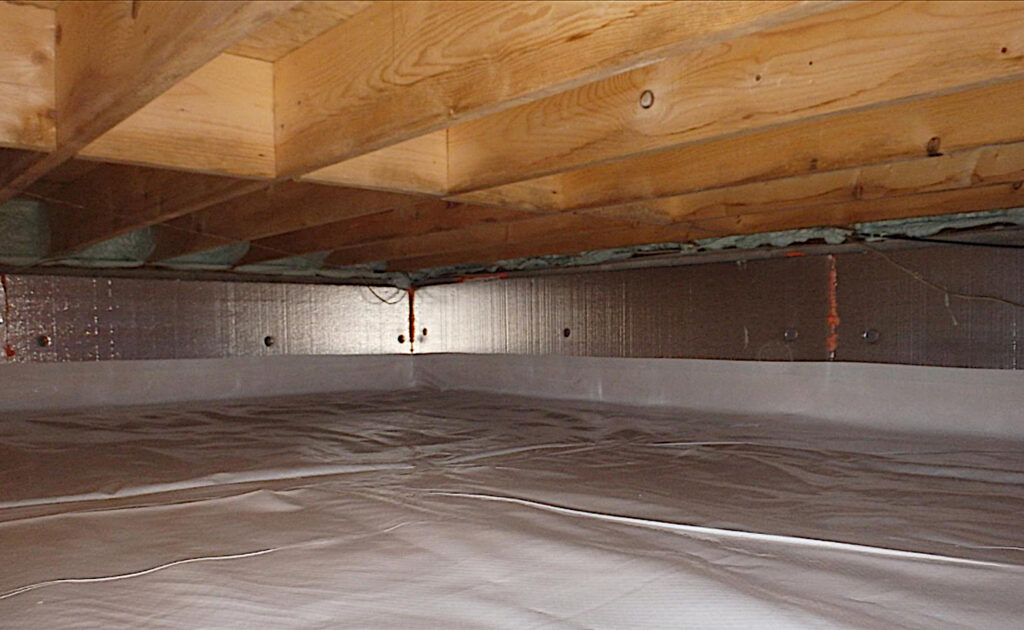
Crawl space encapsulation in Raleigh, NC helps control ground moisture and humidity by sealing exposed soil and other moisture-entry points beneath your home. Atlantic Foundation & Crawl Space Repair assesses existing moisture conditions and recommends appropriate solutions, including vapor barriers, sealing, dehumidification, or drainage improvements where needed.
If you are also experiencing standing water, sagging floors, or damaged supports, explore our crawl space repair services.
When Crawl Space Encapsulation Is a Good Fit
Crawl space encapsulation is primarily a moisture-control strategy. It can help reduce ground vapor and humid-air entry when the crawl space does not have an unresolved source of standing water. The right system depends on drainage, humidity, ventilation, insulation, and the condition of the wood framing.
Related encapsulation guides: crawl space encapsulation guide, vapor barriers, crawl space dehumidifiers, and encapsulation vs. vapor barrier.

Ground & Air Moisture Control
A sealed vapor barrier and controlled crawl space can reduce moisture entering from exposed soil and humid outside air.

More Consistent Crawl Space Humidity
Sealing the crawl space, with dehumidification where needed, makes humidity easier to manage than in an open or vented crawl space.

Helps Protect Wood Framing from Persistent Dampness
Managing crawl space moisture can reduce the damp conditions that contribute to wood deterioration. Existing damaged framing should be evaluated separately.

Works With a Drainage Strategy
Encapsulation controls vapor and humid air, but it does not remove standing water. Active water entry should be addressed with drainage or other water-management measures.

Creates a More Controlled Crawl Space
Sealing exposed ground and air-entry points creates a crawl space where moisture conditions can be monitored and managed more consistently.
How Atlantic Foundation’s Crawl
Space Encapsulation System Works
The encapsulation process should be based on the conditions found in the crawl space. Before sealing, we look for active water entry, humidity, drainage needs, damaged materials, and structural concerns that may need separate attention.

Step 01: Crawl Space Inspection & Assessment
We review humidity, standing water, condensation, ventilation, drainage conditions, and the visible condition of the floor framing. This helps determine whether drainage, structural repair, insulation changes, or moisture control should come before or alongside encapsulation.

Step 02: Cleaning & Preparation
Debris and standing water are addressed before the encapsulation system is installed. Damaged materials or visible biological growth may require separate repair or appropriate remediation before the crawl space is sealed.

Step 03: Vapor Barrier Installation
A durable vapor barrier is installed across the crawl space ground and, where appropriate, the foundation walls. The barrier helps reduce ground moisture entering the crawl space. Seams and penetrations should be sealed as part of the moisture-control system.

Step 04: Sealing & Insulation Where Appropriate
Where appropriate, crawl space vents and other air-entry points are sealed and insulation is addressed as part of creating a controlled crawl space.

Step 05: Additional Moisture Control, If Needed
Dehumidification may be used when humidity remains elevated after sealing. If liquid water is entering or collecting in the crawl space, drainage or sump-pump measures should address that water source rather than relying on encapsulation alone.
- Protect Your Home With Crawl Space Encapsulation
Crawl space encapsulation helps manage ground moisture and humidity beneath your home. Depending on the conditions found during inspection, additional work such as drainage improvements, damaged framing repairs, or moisture control measures may be needed before or alongside encapsulation.
- Our Crawl Space Encapsulation Services May Include:
Visible Fungal-Growth Concerns
HVAC Condensation Control & Prevention
Safety Cap Installation
Sump Pump Systems & Dehumidifier Installation
Crawl Space Pier Construction & Helical Pier Installation
Request an Evaluation
Tell us what you are seeing in the crawl space so the team can review the next steps and determine whether encapsulation, drainage, structural repair, or another measure is appropriate.
Are you buying or selling a home? Do you have humidity or foundation concerns?
Atlantic Foundation & Crawlspace Repair provides comprehensive crawlspace and foundation inspections. A $400 retainer is required for the estimate, which is fully deducted from your final invoice once the proposal is accepted.
Frequently Asked Questions About Crawl Space Encapsulation
What does crawl space encapsulation do?
Crawl space encapsulation helps control moisture beneath a home by covering exposed ground with a vapor barrier and sealing appropriate air-entry points. Depending on the conditions, dehumidification and other moisture-control measures may also be recommended.
Can crawl space encapsulation stop standing water?
Encapsulation alone is not a substitute for correcting active water intrusion. If standing water is present, the source should be investigated. Appropriate crawl space drainage measures may be needed before or alongside encapsulation.
Does every crawl space need a dehumidifier after encapsulation?
Not necessarily. The need for a dehumidifier depends on humidity levels, moisture sources, ventilation conditions, and how the crawl space is sealed. Ongoing humidity monitoring can help determine whether additional control is needed.
Will encapsulation repair damaged floor joists or supports?
No. Encapsulation helps manage moisture, but it does not restore damaged structural components. If floor joists, girders, or supports have deteriorated, separate structural repair may be needed.
When should I request a crawl space encapsulation evaluation?
Consider an evaluation if you notice persistent crawl space humidity, damp insulation, recurring condensation, musty odors, or moisture-related damage. The evaluation can help determine whether encapsulation, drainage, repairs, or a combination is appropriate.
Explore Related Crawl Space & Structural Repair Services
Crawl space moisture problems can sometimes be connected to drainage issues or weakened floor structures. Explore related services to learn more about available repair solutions.
Crawl Space Drainage
Explore solutions for standing water, recurring moisture intrusion, and drainage problems beneath your home. Learn how effective water management can complement crawl space encapsulation.
Explore Crawl Space Drainage →Structural Floor Repairs
Learn about repair solutions for damaged floor joists, weakened support beams, sagging floors, and moisture-related structural concerns beneath your home.
Explore Structural Floor Repairs →Looking for another foundation or crawl space solution?
View All Foundation & Crawl Space Services →For an Estimate, Call Us at 919-855-0855 or Schedule a Comprehensive Crawl Space Inspection
When Encapsulation Alone May Not Be Enough
Encapsulation is not a substitute for fixing an active water source or damaged structure. The conditions below can change the repair plan and may need to be addressed before or together with encapsulation.

Standing Water
Recurring pools of water usually need a drainage solution before the crawl space is sealed.

Damaged Joists or Girders
Moisture-damaged framing may require structural repair in addition to moisture control.

Active Plumbing or HVAC Leaks
A leak should be corrected at its source; encapsulation should not be used to hide or contain an active leak.

Foundation or Support Movement
Sagging floors, shifting supports, or foundation movement require structural evaluation rather than moisture control alone.

Poor Exterior Drainage
Water collecting near the foundation may require grading, drainage, or discharge corrections before encapsulation can work as intended.
Encapsulation works best after active water sources and structural problems are identified and addressed.