A Significant Investment
A home is arguably the most significant financial investment you will make in your lifetime, and that entire investment relies on one critical component: the foundation. A home’s foundation does more than just support the weight of the walls and roof; it keeps out moisture, insulates against the cold, and resists the constant movement of the surrounding soil. Whether you are planning a new custom build or addressing structural shifts in an existing property, understanding which materials offer the ultimate stability is vital. Choosing the right material ensures your home can withstand environmental stress, shifting water tables, and natural wear over time.
What Materials Are The Best For My Home’s Foundation?
Below is an in-depth guide to the best materials used in modern construction for new home foundations, as well as the high-performance materials engineered for long-lasting foundation repair. When building a new home, architectural engineers select foundation materials based on their weight-bearing capacity, resistance to moisture penetration, local soil chemistry, and overall longevity. Today, three primary materials dominate modern residential construction, each offering specific structural advantages.
- Poured Concrete
- Concrete Masonry
- Engineered Steel Pier Systems
Poured Concrete
Poured concrete is widely considered the gold standard for solid, durable residential construction. In this method, liquid concrete is poured into temporary wooden or metal forms reinforced with steel rebar, creating a continuous, solid wall or slab. It forms a seamless, monolithic structure that has no joints or seams. Joints are naturally weak points where water can seep through or where earth pressure can cause shifts. Fortunately, poured concrete offers resistance to hydrostatic pressure. Basically, these walls have a higher density and strength than block walls, making them exceptionally capable of resisting the lateral pressure exerted by wet, heavy soil. This makes it an outstanding choice for crawl spaces and full basements alike.
Concrete Masonry Units (CMUs or Concrete Blocks)
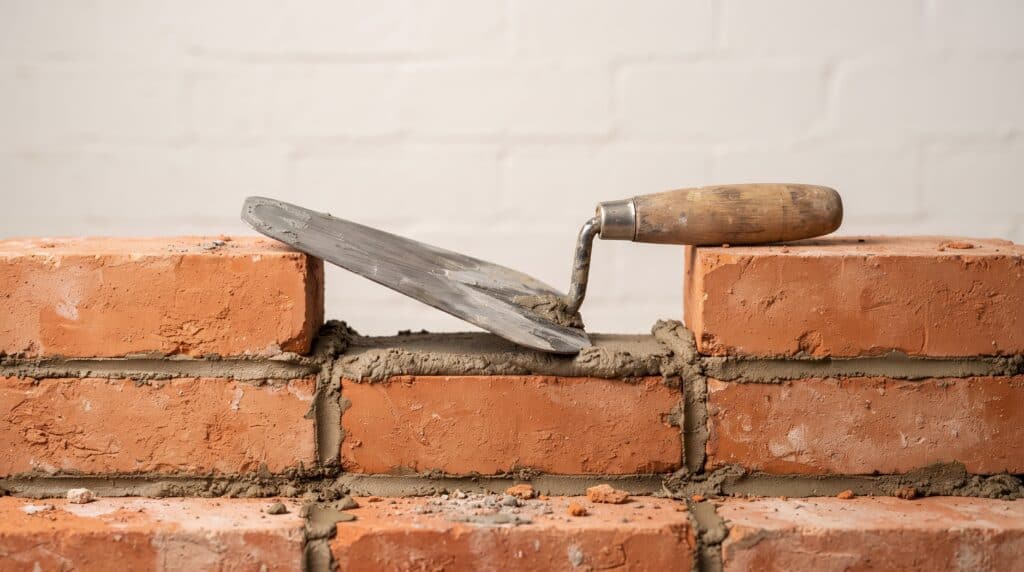
Concrete blocks are pre-cast, hollow rectangular blocks stacked systematically on top of a concrete footing and bound together using mortar. To increase their strength, builders insert steel rebar into the hollow cores and fill them with liquid concrete grout. When properly reinforced, concrete blocks offer incredible vertical load-bearing strength, capable of supporting multi-story residential designs. CMUs are highly adaptable and do not require the heavy machinery or large-scale formwork that poured concrete does. While they require meticulous exterior waterproofing coatings to protect the mortar joints from moisture, They remain a traditional, highly durable choice for crawl space foundations.
Engineered Steel Pier Systems (For High-Risk Soil)
In coastal regions or areas with highly unstable surface soils, traditional concrete footings sometimes aren’t enough. Modern engineering allows builders to incorporate heavy-duty steel pier systems right from the start. These systems utilize helical or resistance steel piers driven deep into the earth, bypassing weak, shifting upper soil layers until they reach stable, load-bearing bedrock or dense strata. While more common in commercial builds or high-end coastal properties, using steel as a foundation anchor stabilizes foundations in high-risk soil such as sand or moist silt.
High-Performance Materials for Foundation Repair
Even the best-built foundations can face immense stress over time. As soil expands when wet and shrinks when dry, it causes homes to shift. If you notice interior drywall cracks, uneven or sloping floors, gaps around window frames, or doors that suddenly stick, your foundation is in trouble. Fortunately, modern engineering has evolved. If a foundation fails, repair specialists do not have to tear down the house; instead, they use advanced materials to make the foundation stronger than it was on the day it was built.
Restoring Structural Integrity
When it comes to restoring structural integrity, these are the industry-leading repair materials: Heavy-Duty Galvanized Steel Piers. When a foundation settles or sinks, heavy-duty steel piers are the premier choice for permanent support. These piers are hydraulically driven deep underground beneath the existing structure. The steel is typically galvanized or coated to resist rust and corrosion from underground moisture. Once the steel piers reach stable bedrock, hydraulic jacks are used to carefully transfer the weight of the home onto the piers, allowing technicians to lift the house back toward its original level position.
High-Strength Poured Concrete Underpinning (Piering)
For specific structural layouts or localized sinking, high-strength poured concrete underpinning is highly effective. This involves excavating sections beneath the shallow foundation, installing steel reinforcement mesh, and pouring heavy-duty, commercial-grade concrete to extend the
depth or width of the original footing. This spreads the home’s weight over a larger, more stable foundation.
Advanced Polyurethane Foam (Polyjacking)
For homes built on concrete slabs, or for detached structures like garages, porches, and concrete walkways, polyurethane foam injection is a revolutionary material. Technicians drill small, penny-sized holes into the sunken concrete slab and inject a high-density, structural-grade polyurethane foam. As the liquid foam enters the void beneath the concrete, it undergoes a chemical reaction, expanding rapidly with immense force. The expanding foam lifts the heavy concrete slab back into place while simultaneously compacting the loose soil beneath it. Because the foam is incredibly lightweight, it doesn’t add extra weight to the soil, preventing future settling.
Protecting Your Structural Investment
No matter how premium or advanced the materials are, their ultimate success depends entirely on proper installation, accurate diagnostic testing, and a deep understanding of local soil dynamics. This is where Atlantic Foundation steps in. Proudly serving homeowners throughout Eastern North Carolina, we specialize in analyzing regional soil behaviors and moisture levels, and we understand how the coastal climate interacts with your home’s underlying soil.
Local Heavy-Duty Pier Installation
From advanced heavy-duty pier installations to precision foundation repairs, Atlantic Foundation utilizes only the highest-grade, industry-vetted materials designed to protect your home against shifting soils and moisture issues for decades to come. Your foundation is the anchor of your entire home. Investing in the right materials today means securing your family’s safety and your property’s value for tomorrow. If you suspect your home is showing signs of foundation stress, don’t wait; contact Atlantic Foundation today for a free homeowner’s consultation.
FAQ
1. What is the best material for building a new home foundation? Poured concrete is the gold standard for new construction because it creates a seamless, joint-free structure that resists water seepage and heavy soil pressure.
2. What are the warning signs of foundation failure? Key warning signs include interior drywall cracks, uneven or sloping floors, gaps around window frames, and doors that suddenly stick.
3. How can a sunken concrete slab be repaired?Technicians use polyjacking, injecting structural-grade polyurethane foam through penny-sized holes beneath the slab. The lightweight foam expands to lift the concrete and compact loose soil without adding extra weight.
Sources
-https://www.concretenetwork.com/
-https://concrete.promatcher.com/articles/Types-of-Concrete-Foundations-3038