Your Home’s Foundation
Your home’s foundation is one of its most important structural components. If you don’t manage it properly, water can gradually erode the soil around the foundation, leading to cracks, settling, and costly repairs. Fortunately, homeowners can take several proactive steps to protect their property and maintain a stable foundation for years to come.
How To Prevent Foundation Erosion From Rainfall
Foundation erosion occurs when rainwater repeatedly flows around a home’s foundation, carrying away the supporting soil. Over time, this process creates gaps beneath or around the foundation, reducing stability and increasing the risk of structural damage. North Carolina homeowners are particularly familiar with periods of heavy rainfall that can contribute to soil erosion. Whether you own an older home or are planning a new construction project, proper water management is essential.
Maintain Proper Grading Around Your Home
One of the most effective ways to prevent erosion is through proper grading. Grading refers to the slope of the soil around your house. The ground should gently slope away from the foundation so that rainwater naturally flows away instead of collecting near the structure. Poor grading allows water to pool around the foundation, increasing the likelihood of erosion and moisture-related problems. If you notice standing water after rainstorms, it may be time to have your property evaluated and inspected by professionals.
Install French Drains for Better Drainage
French drains are a popular drainage solution that helps redirect excess water away from your lawn. French drain typically consists of a perforated pipe surrounded by gravel and installed underground. As water enters the system, it is safely carried away from the foundation area. French drains are particularly useful for properties with poor drainage, sloped landscapes, or areas that experience frequent rainfall. When properly installed, French drains can significantly reduce soil erosion and help protect your foundation from water damage.
Keep Gutters and Downspouts Working Properly
Your gutter system plays a major role in preventing foundation erosion. Gutters collect rainwater from the roof and direct it away from your home through downspouts. If gutters become clogged with leaves and debris, water can overflow and saturate the soil around the foundation. Similarly, downspouts that discharge water too close to the home can contribute to erosion problems. Regular cleaning and maintenance ensure that rainwater is directed safely away from the downspout extensions, which can provide additional protection by carrying water farther from the foundation.
Consider a Sump Pump System
For homes that experience frequent water accumulation, a sump pump can provide valuable protection. A sump pump is designed to remove excess water from a designated collection area and pump it away from the home. This helps reduce hydrostatic pressure around the foundation and minimizes the risk of erosion and water intrusion. Sump pumps are especially beneficial for homes with basements or areas prone to flooding during heavy rain events.
Protect Crawlspaces with Encapsulation
Many homes in North Carolina have crawlspaces that can be vulnerable to moisture problems. Crawlspace encapsulation involves sealing the crawlspace with a durable vapor barrier to prevent moisture from entering. By controlling moisture levels beneath the home, crawlspace encapsulation helps preserve soil stability and reduces the likelihood of foundation-related issues. It can also improve indoor air quality and energy efficiency.
Monitor for Early Signs of Foundation Problems
Even with preventative measures in place, homeowners should remain alert for warning signs of foundation trouble. Common indicators include:
- Cracks in walls or foundations
- Uneven floors
- Doors and windows that stick
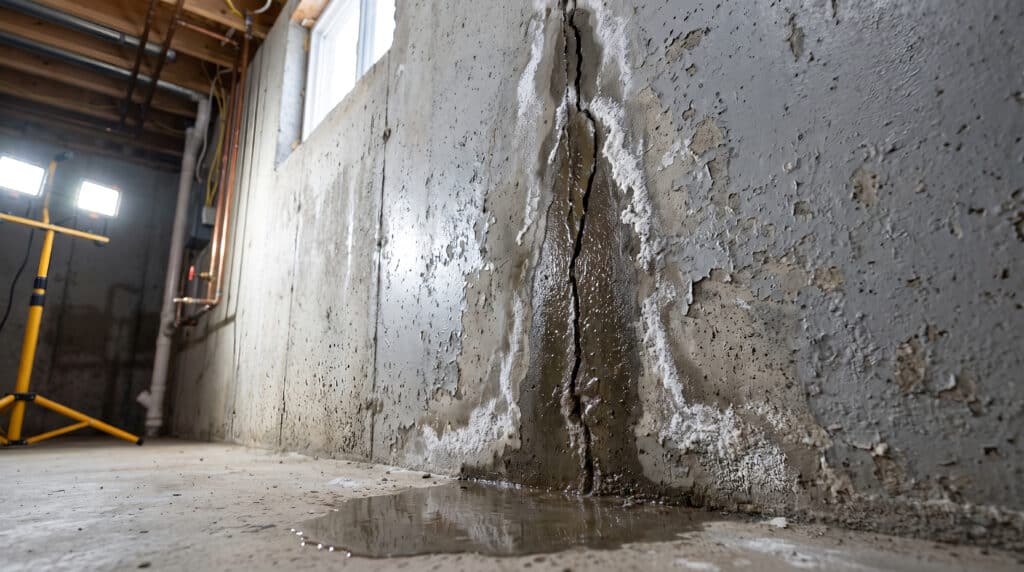
- Water intrusion in crawlspaces or basements
- Visible soil erosion around the home
Addressing these issues early can help prevent more extensive and expensive foundation repair work in the future.
Protect Your Investment for the Long Term
Preventing foundation erosion from rainfall requires a combination of proper grading, effective drainage solutions, regular maintenance, and moisture control. Features such as French drains, sump pumps, and crawlspace encapsulation can provide long-term protection against water damage. Whether you’re maintaining an existing home or planning a new construction project, investing in foundation protection today can help you avoid costly repairs tomorrow. Take a proactive step today and contact Atlantic Foundation for a free homeowner’s consultation.
FAQ
- How does repeated rainfall physically weaken a home’s foundation?
When rainwater repeatedly flows alongside a house, it washes away supporting soil and creates hollow gaps beneath or around the foundation, directly reducing structural stability. - How do clogged gutters and short downspouts contribute to soil erosion?
Overflowing gutters saturate the soil right next to the house, while downspouts without extensions release roof runoff too close to the foundation wall instead of carrying it safely away. - Should foundation erosion prevention be considered during new construction?
Yes—planning proper soil grading and water-management features during a new build protects soil stability from day one and helps homeowners avoid costly structural repairs later.
Sources
-https://www.ndspro.com/us/en/resources/articles/french-drain-installation-guide
-https://www.olshanfoundation.com/foundation-repair/foundation-problems/foundation-erosion/
-https://ritewayfoundation.com/author/anthonypiccologmail-com/
-https://www.ramjack.com/why-ram-jack-/news-events/2025/march/home-foundation-repair-checklist/