
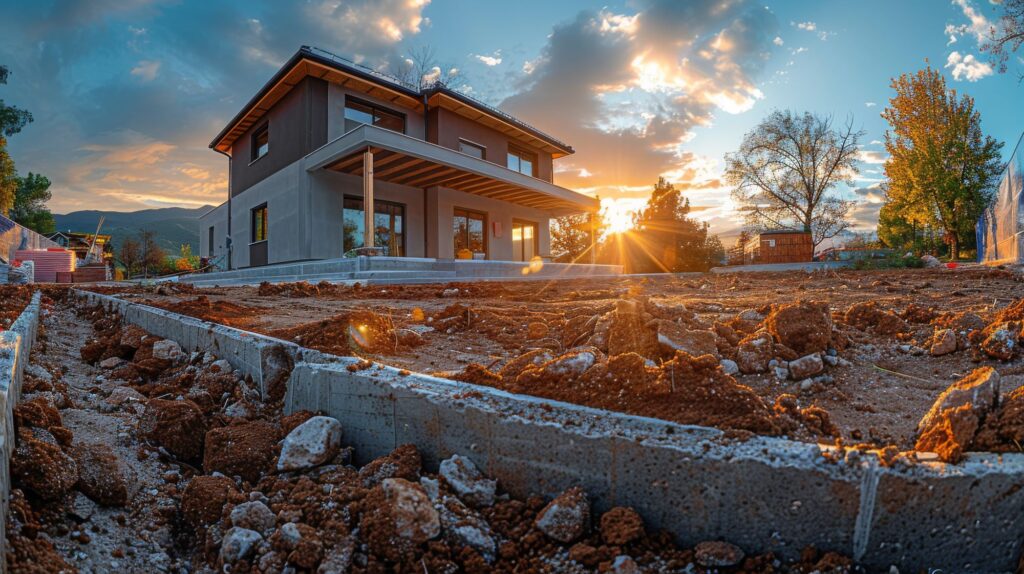
Foundation movement often begins with changes in the soil supporting the home. Soil can expand when it absorbs water, shrink during dry periods, erode, or lose strength when drainage conditions change. The effect on a foundation depends on the soil, moisture pattern, foundation type, and how evenly the structure is supported.
How Expanding Soil Affects a Foundation
When soil gains moisture and expands, it can push upward or laterally against foundation components. If the pressure is uneven, different parts of the structure may move by different amounts.
How Dry Soil Can Contribute to Settlement
During extended dry conditions, some soils shrink and pull away from foundation areas. Loss of support can contribute to settlement, particularly where moisture conditions vary around the home.
Drainage and Water Concentration
Downspouts, grading, plumbing leaks, and repeated water discharge near one part of the foundation can create uneven moisture conditions. Correcting drainage may be part of the repair plan when water is contributing to soil movement.
Warning Signs That May Appear
Possible symptoms include stair-step masonry cracks, changes in door or window alignment, uneven floors, chimney separation, or recurring interior cracks. One symptom alone does not identify the cause. See the foundation warning-sign guide for a broader comparison.
How Foundation Settlement Is Evaluated
The evaluation should consider the direction and amount of movement, crack pattern, site drainage, soil and moisture conditions, and whether the problem is localized or affects a larger part of the structure.
Learn more about foundation repair in Raleigh, NC and how stabilization methods are selected according to the conditions found.